
March 23, 2026
Porcelain Veneers vs Composite Bonding Which Option is Best for Your Dream Smile
Achieving a perfect smile is a common goal for many people seeking cosmetic dental improvements. Two popular options for enhancing the appearance of teeth are porcelain veneers and composite bonding. Both treatments can
- Fahim Mohi
- Mar 23
- 3 min read
Achieving a perfect smile is a common goal for many people seeking cosmetic dental improvements. Two popular options for enhancing the appearance of teeth are porcelain veneers and composite bonding. Both treatments can transform your smile, but they differ in cost, durability, and procedure. Understanding these differences helps you make an informed choice tailored to your needs and budget.
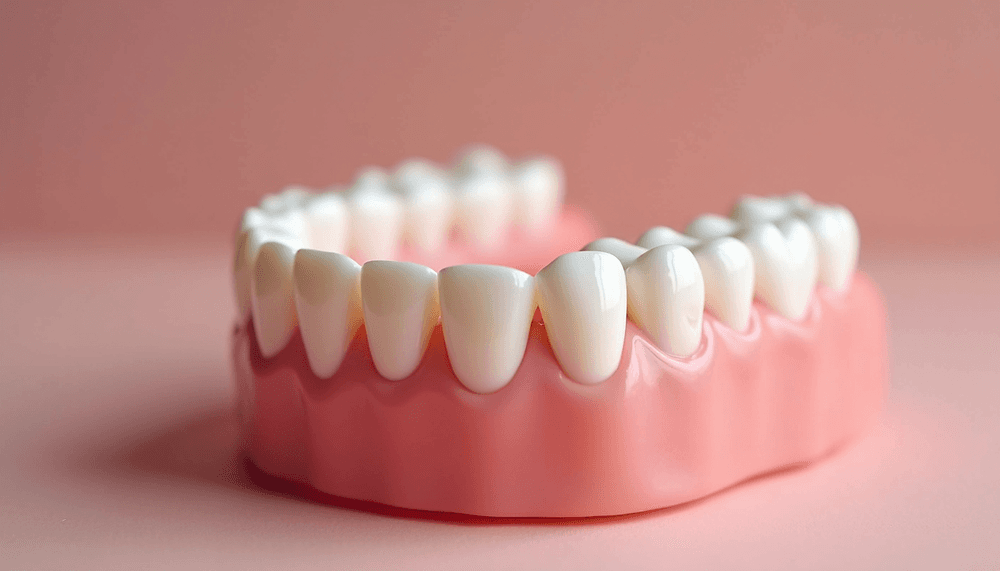
Comparison of porcelain veneers and composite bonding on dental model
What Are Porcelain Veneers and Composite Bonding?
Porcelain veneers are thin shells made from high-quality ceramic material. They are custom-crafted in a dental lab and permanently bonded to the front surface of your teeth. Veneers cover imperfections such as discoloration, chips, gaps, and minor misalignments, creating a uniform and natural look.
Composite bonding uses a tooth-colored resin applied directly to the teeth. The dentist sculpts and shapes the resin to improve the tooth’s appearance. Once hardened with a special light, the bonding material blends with your natural teeth. This method is less invasive and can fix minor chips, cracks, or discoloration.
Cost Comparison
Cost is a major factor for many patients considering cosmetic dental work. Porcelain veneers generally cost more than composite bonding because of the materials and lab work involved.
Porcelain Veneers
The price per tooth ranges from $900 to $2,500 depending on the dentist’s expertise and location. Since veneers require custom fabrication, multiple visits, and precise fitting, the overall investment is higher.
Composite Bonding
This option usually costs between $250 and $600 per tooth. The procedure is quicker and done entirely in the dental office without lab fees, making it more affordable.
For patients looking to improve several teeth, the total cost difference can be significant. However, porcelain veneers may offer better long-term value due to their durability.
Durability and Longevity
How long your smile enhancement lasts depends on the material and care.
Porcelain Veneers
Porcelain is strong and resistant to stains. Veneers can last 10 to 15 years or longer with proper oral hygiene and regular dental visits. They maintain their color and shape well over time, making them a popular choice for lasting results.
Composite Bonding
Composite resin is less durable and more prone to chipping or staining. Bonding typically lasts 4 to 8 years before needing repair or replacement. It is easier to fix but may require more frequent maintenance.
If you want a solution that stands the test of time, porcelain veneers are often the better option. Composite bonding suits those seeking a budget-friendly, short-term improvement.
Procedure Steps
Understanding the treatment process helps set expectations.
Porcelain Veneers Procedure
Consultation and Planning
The dentist examines your teeth, discusses goals, and takes impressions or digital scans.
Tooth Preparation
A small amount of enamel (usually less than a millimeter) is removed from the front of the teeth to make room for the veneers.
Impressions and Shade Selection
Impressions are sent to a lab where veneers are custom-made. You choose the shade that matches your desired look.
Temporary Veneers
Temporary veneers may be placed while waiting for the permanent ones.
Bonding Appointment
The dentist checks fit and color, then bonds the veneers using dental cement and a curing light.
Final Adjustments
Minor adjustments ensure comfort and bite alignment.
Composite Bonding Procedure
Consultation and Assessment
The dentist evaluates your teeth and discusses the changes you want.
Tooth Preparation
Usually, no enamel removal is needed, making it a minimally invasive option.
Application of Composite Resin
The resin is applied in layers, shaped, and molded to the tooth.
Curing
A special light hardens the resin quickly.
Polishing and Finishing
The bonded tooth is polished to blend with surrounding teeth.
Composite bonding can often be completed in a single visit, making it convenient for busy patients.
Which Option Fits Your Dream Smile?
Choosing between porcelain veneers and composite bonding depends on your priorities.
If you want a long-lasting, stain-resistant smile with a natural look, porcelain veneers are ideal. They work well for correcting multiple issues and provide a durable solution.
If you prefer a quicker, less expensive fix for minor imperfections, composite bonding offers a practical choice. It is reversible and can be updated easily.
Consider your budget, lifestyle, and how much time you want to invest in maintenance. Discuss your goals with a trusted cosmetic dentist who can recommend the best approach based on your dental health and smile vision.
Final Thoughts on Your Smile Transformation



Ready to schedule?